
Close Menu
    Facebook X (Twitter) Instagram
    SciTechDaily
    • Biology
    • Chemistry
    • Earth
    • Health
    • Physics
    • Science
    • Space
    • Technology
    Facebook X (Twitter) Pinterest YouTube RSS
    SciTechDaily
    Home»Health»Birth Control Pill Poses a Serious Health Risk to Women With a Common Condition
    Health

    Birth Control Pill Poses a Serious Health Risk to Women With a Common Condition

    By European Society of CardiologyNovember 3, 2022No Comments3 Mins Read
    Facebook Twitter Pinterest Telegram LinkedIn WhatsApp Email Reddit
    Share
    Facebook Twitter LinkedIn Pinterest Telegram Email Reddit
    COVID-19 Blood Clots
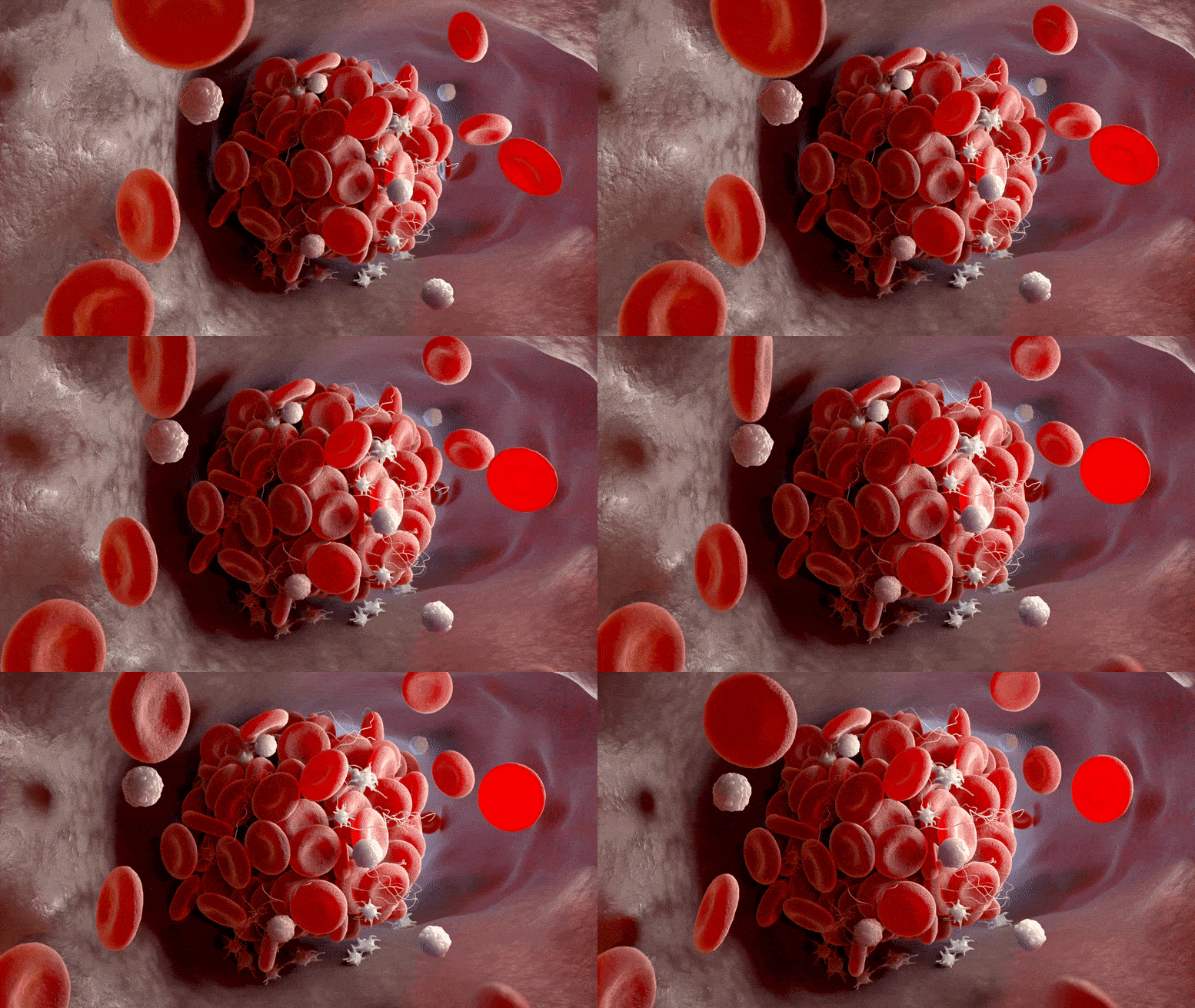
    The study discovered that, when compared to non-users who were normal weight, the risk of venous thromboembolism was 12-fold higher in overweight women and 24-fold higher in obese women.

    Combined Birth Control Pill Greatly Increases the Risk of Blood Clots in Obese Women

    According to a paper recently published in ESC Heart Failure, a journal of the European Society of Cardiology, obese women who use oral contraceptives containing estrogen and progestin have a 24-fold increased risk of venous thromboembolism (VTE) compared to non-obese women who do not use the drugs.

    Study author Professor Giuseppe Rosano of the IRCCS San Raffaele Pisana, Rome, Italy said: “It is well established that both obesity and estrogen-containing contraceptives are risk factors for VTE. Despite this, obese women continue to receive these drugs. The scientific evidence indicates that obesity and combined oral contraceptives have a synergistic effect on VTE risk and this should be considered in prescribing decisions. Progestin-only products, including pills, intrauterine devices, or implants are a safer alternative to the combined pill in women carrying excess weight.”

    This review article highlights the most recent research on the individual effects of obesity and contraceptives, as well as the combined impact of these factors, on the risk of VTE and offers clinical recommendations. VTE refers to a blood clot in a vein and encompasses two potentially fatal conditions: deep venous thrombosis and pulmonary embolism.

    According to the World Health Organization, the percentage of adult women who are obese almost quadrupled between 1975 and 2016. The risk of VTE grows progressively with body mass index (BMI), and it is more than double in obese women compared to non-obese women. Obesity has the greatest effect on VTE women under 40, who have a five-fold greater risk compared to non-obese women.

    High-Risk Profile for Women Under 40

    Professor Rosano noted: “The particularly high risk in obese women under 40 is important since it is at this age that many seek contraception.”

    Combined oral contraceptives are associated with an elevated likelihood of VTE, with users having a three- to seven-fold elevated likelihood of VTE compared with non-users. In contrast, progestin-only products are not associated with an increased risk of VTE.

    The combination of overweight/obesity and the use of combined oral contraceptives potentiates the likelihood of blood clots in women of reproductive age. For example, a large population-based study found that being overweight and obese was associated with 1.7-fold and 2.4-fold increased risks of VTE, respectively. However, in combined pill users, the risk of VTE was 12-fold higher in overweight women and 24-fold higher in obese women – when compared with normal-weight non-users.

    Professor Rosano said: “Obese women taking contraceptives are vulnerable to VTE and should take steps to limit their other predisposing factors for cardiovascular disease, for example by quitting smoking and increasing their physical activity levels.”

    Reference: “Obesity and contraceptive use: impact on cardiovascular risk” by Giuseppe M.C. Rosano, Maria Angeles Rodriguez-Martinez, Ilaria Spoletini and Pedro Antonio Regidor, 14 September 2022, ESC Heart Failure.
    DOI: 10.1002/ehf2.14104

    Never miss a breakthrough: Join the SciTechDaily newsletter.
    Follow us on Google and Google News.

    Blood Clots Contraception European Society of Cardiology Obesity Popular
    Share. Facebook Twitter Pinterest LinkedIn Email Reddit

    Related Articles

    BMI Is a More Powerful Risk Factor for Diabetes Than Genetics – Losing Weight Could Prevent or Even Reverse Diabetes

    Bariatric Surgery Associated With Significant Weight Loss, Fewer Heart Attacks and Strokes

    Burn Twice as Many Calories: Eat a Big Breakfast Rather Than a Large Dinner

    Tea Drinkers Live Longer, Healthier Lives – Here’s What You Need to Know

    Eating Watermelon May Help Counter Detrimental Effects of an Unhealthy Diet

    Cancer Risk From Being Overweight at Least Double Previous Estimates

    Micro-Needle Patch Turns Energy-Storing Fats Into Energy-Burning Fats

    How Altered Gut Microbes Cause Obesity

    Smartphones Can Disrupt Pacemakers and Cause Painful Shocks

    Leave A Reply Cancel Reply

    • Facebook
    • Twitter
    • Pinterest
    • YouTube

    Don't Miss a Discovery

    Subscribe for the Latest in Science & Tech!

    Trending News

    Popular Sugar-Free Sweetener Linked to Liver Disease, Study Warns

    What Is Hantavirus? The Deadly Disease Raising Alarm Worldwide

    Scientists Just Discovered How the Universe Builds Monster Black Holes

    Scientists Unveil New Treatment Strategy That Could Outsmart Cancer

    A Simple Vitamin May Hold the Key to Treating Rare Genetic Diseases

    Scientists Think the Real Fountain of Youth May Be Hiding in Your Gut

    Ravens Don’t Follow Wolves, They Predict Them

    This Common Knee Surgery May Be Doing More Harm Than Good

    Follow SciTechDaily
    • Facebook
    • Twitter
    • YouTube
    • Pinterest
    • Newsletter
    • RSS
    SciTech News
    • Biology News
    • Chemistry News
    • Earth News
    • Health News
    • Physics News
    • Science News
    • Space News
    • Technology News
    Recent Posts
    • Why Are So Many New Fathers Dying? Scientists Say the U.S. Has a Dangerous Blind Spot
    • Scientists Identify Simple Supplement That Greatly Reduces Alzheimer’s Damage
    • You May Have a Dangerous Type of Cholesterol Even if Your Tests Look Normal
    • Study Reveals Dangerous Flaw in AI Symptom Checkers
    • New MRI Breakthrough Captures Stunningly Clear Images of the Eye and Brain
    Copyright © 1998 - 2026 SciTechDaily. All Rights Reserved.
    • Science News
    • About
    • Contact
    • Editorial Board
    • Privacy Policy
    • Terms of Use

    Type above and press Enter to search. Press Esc to cancel.